
 ログイン
ログイン
LAST UPDATED
6月 18, 2026
READ TIME
5 min
LAST UPDATED
6月 18, 2026
READ TIME
5 min
Iceland is a magical Nordic destination located in the North Atlantic between Greenland and mainland Europe. This unique destination sits where everyday life meets active geology. Volcanic heat warms homes and pools, glaciers shape the horizon and Reykjavík brings color and culture to the edge of the North Atlantic. Add Viking Age history, huldufólk folklore and the young volcanic island of Surtsey, and these fun facts show how much there is to notice in one small Nordic country. You might already know a bit about Iceland — facts such as that, despite their names, Iceland is lush and green, and Greenland is icy — but if you've never heard of huldufólk or caught a glimpse of the volcanic island of Surtsey, there's a lot left for you to discover.
To find out more, check out these 10 fun facts about Iceland.
Key Takeaways
-
Iceland offers extraordinary natural phenomena, including the midnight sun in summer and the northern lights in winter, creating unforgettable viewing opportunities for visitors.
-
The island’s dramatic geology defines its landscapes, with visible tectonic plates, active volcanoes and geothermal features like geysers and lava fields shaping the country’s unique terrain.
-
Iceland’s rich cultural heritage blends Viking history and modern traditions, from preserved longships and historic sagas to unique celebrations like Beer Day.
-
Iceland consistently ranks highly in global quality-of-life and well-being measures.
-
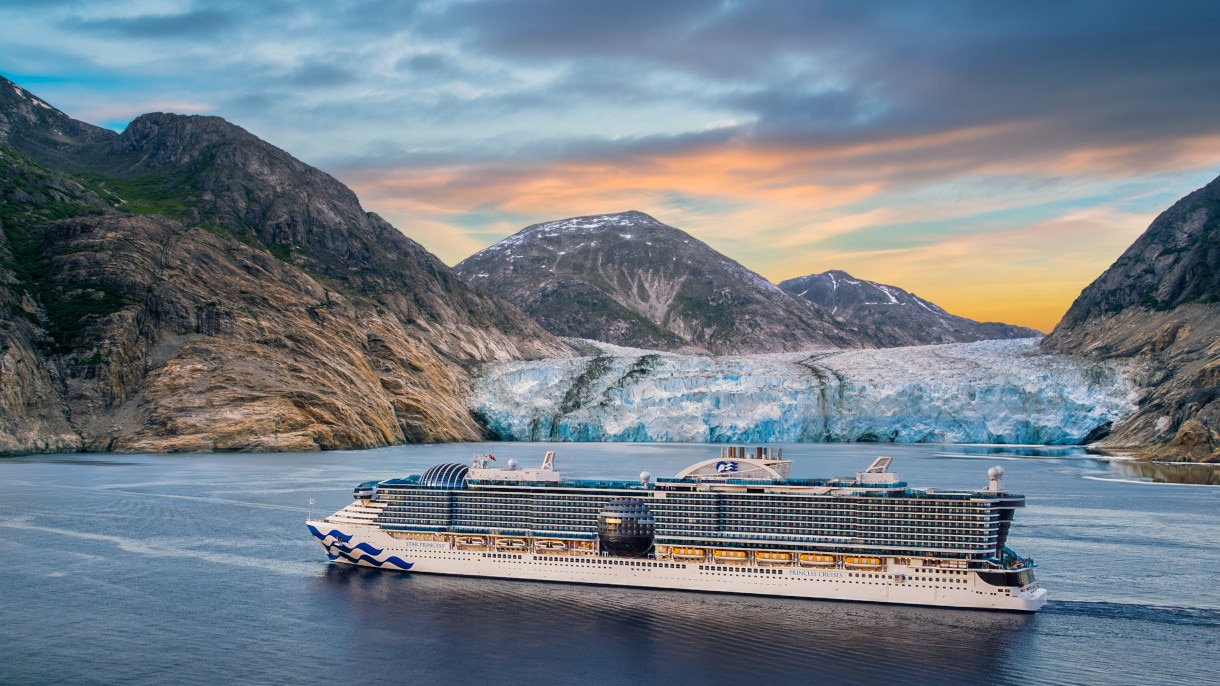
Cruising to Iceland with Princess offers a convenient way to explore its natural wonders and cultural highlights, from striking coastlines and volcanic landscapes to vibrant Nordic cities.
1. It experiences dramatic seasonal daylight changes
Iceland is located near the Arctic Circle; as a result, summer and winter can feel like two very different versions of the same country. In June, daylight stretches late into the evening and the midnight sun brings a soft, lingering glow. In December, days are much shorter, creating longer nights and more opportunities for seeing the northern lights shimmer above the horizon.


2. Its Viking history still shapes its story
Iceland’s Viking Age history begins with Norse settlement in the late 9th century, and the country is still influenced by the sagas of this legendary era. The modern Icelandic language remains closely tied to Old Norse, keeping centuries-old stories unusually close to everyday life. You may hear that heritage in places, family names and common sayings and idioms.

3. Its geology is still on the move
At Þingvellir (pronounced "Thingvellir"), you can see where the North American and Eurasian tectonic plates meet and slowly pull apart above sea level. That same restless geology also created Surtsey, a volcanic island off Iceland’s southern coast that emerged from the sea during eruptions in the 1960s. Together, they show Iceland as a place still being split, lifted and remade by geological forces.

Start your Iceland adventure
Sail to Iceland and Norway from the most popular ports


4. Its population is small and its capital is the northernmost in the world
The mountains, geyser fields, and coastlines of Iceland certainly feel vast. But even so, its population is relatively small and closely connected. About 394,000 people live in the country, with many residents in and around Reykjavík, the world’s northernmost capital city. That gives Iceland a rare mix: wide-open landscapes by day and a lively capital scene close at hand.

5. It's a hot spot
約130体の火山を有し、そのうち約30体は現在も活火山であるアイスランドは地質学的に活性の土地です。Iceland’s active geology continues to shape the landscape through periodic volcanic eruptions, with an average of one volcanic eruption every four to five years. その結果、アイスランドの幾つかの地域は溶岩原となっています。And this volcanic activity doesn’t just shape the landscape, it powers the country — approximately 66% of Iceland’s primary energy is produced geothermally.


6. Its prohibition period completely ended in 1989
米国の狂騒の20年代のように、アイスランドも1915年~1922年の期間に禁酒令が施行されました。同法は緩和されてまずスペインのワインが解禁され、1935年にはすべての蒸溜酒が合法とされました。アルコール濃度2.25%以上のビールはまだ許可されていませんでした。強いビールが最終的に解禁されたのは1989年の春でした。To commemorate the reversal of prohibition, some Icelanders celebrate Beer Day, which takes place annually on 3月 01st.

7. It's said that elves live there
Much of the Icelandic population believes in huldufólk (hidden people). フルドゥフォウルクは小妖精として知られ、アイスランド人の中に住むと言う考えに、多くの人が同意しています。This folklore has deep, strong roots that remain a recognizable part of Icelandic culture even today: In some cases, construction projects have been halted due to a fear that bulldozers might destroy an elvish home or community.


8. It ranks highly for well-being and quality of life
The country consistently performs well in international well-being measures, including health, safety and life satisfaction. For a country with a small population, Iceland has earned a big global reputation for quality of life.
9. It’s home to the world’s oldest parliament
Iceland has a long tradition of lively debate… and it’s been going on for more than 1,000 years. The country’s national parliament, the Alþingi (Althing), was first established in the year 930 at Þingvellir. Back then, local chieftains gathered in the dramatic rift valley to settle disputes and pass laws. Today, the Alþingi still operates in Reykjavík, making it the oldest continuously functioning parliament in the world.
10. Until recently, it had no mosquitoes
For most of modern history, Iceland held a curious distinction: It was one of the few places on Earth without mosquitoes. Scientists believe the island’s unpredictable climate and frequent freeze-and-thaw cycles disrupted mosquito breeding patterns. That streak lasted for centuries, though in 2025 researchers documented the first confirmed mosquito sighting on the island. Even so, Iceland remains one of the least mosquito-prone destinations you’ll ever visit, which makes exploring its waterfalls, lava fields, and coastal trails all the more pleasant.


第 11 条It’s covered in glaciers
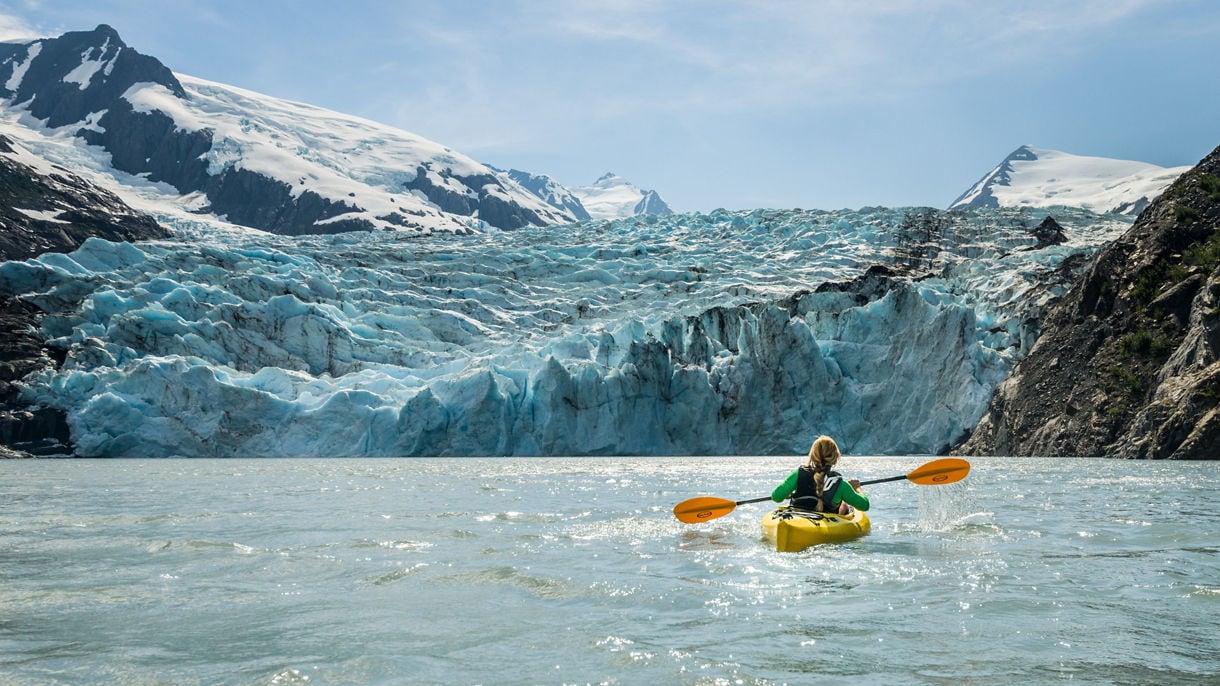
Despite its surprisingly green landscape, Iceland is still very much a land shaped by ice. Glaciers cover roughly 11 percent of the country’s surface, carving valleys, feeding rivers, and creating some of the island’s most dramatic scenery. The largest of them all, Vatnajökull, is the biggest glacier in Europe (according Nationalparks.org). Beneath its vast sheet of ice lie volcanoes, ice caves, and landscapes that feel almost otherworldly. It’s a not-too-subtle reminder that in Iceland, fire and ice are never very far apart.
第 12 条Its cultural traditions are as distinctive as its landscapes
Icelandic culture has a few traditions that might surprise visitors, starting with how people are named. Rather than using traditional family surnames, most Icelanders follow a patronymic naming system, where a person’s last name is based on their father’s (or sometimes mother’s) first name. For example, if Jón has a son named Erik, the child’s last name would likely be Jónsson, meaning “son of Jón.”Add in other beloved traditions like the 13 mischievous Yule Lads who visit children during the Christmas season, and it’s clear that Iceland’s customs are every bit as memorable as its waterfalls and volcanoes.
アイスランドの旅に出てみたくなりましたか?
絵画のように美しいこの国での旅行では、その美しい自然と文化をすべて体験しましょう。小妖精の1人や2人も見られるかも知れませんよ。アイスランドにいる間に楽しいファクツがあれば書き加えましょう。帰宅したらアイスランドについて伝えることができます。An Iceland cruise offers an easy way to experience the island’s dramatic landscapes and Nordic culture.
よくあるご質問


